curated news excerpts & citations
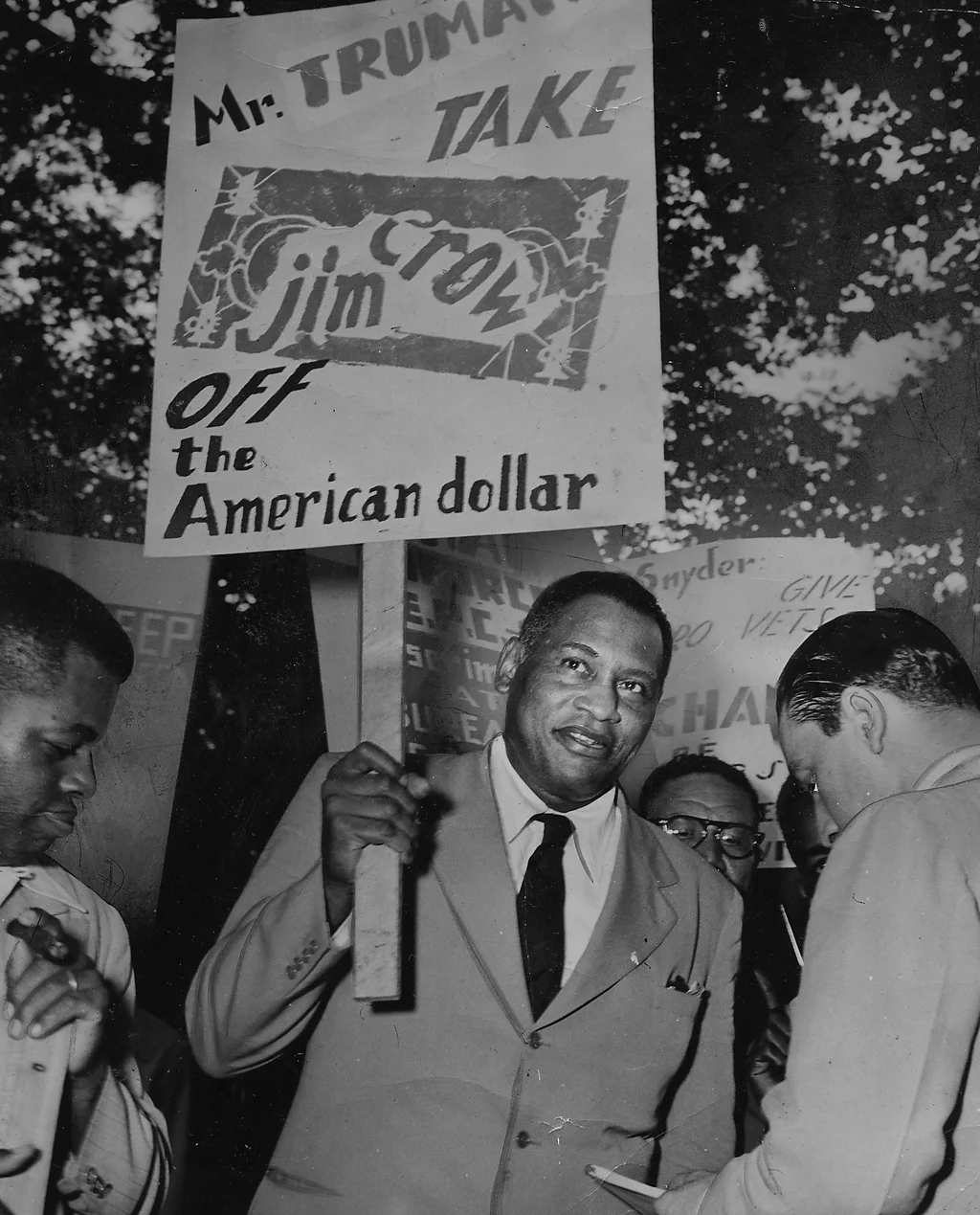
BBC: ‘The most famous black person in America’: How the 1950s ‘Red Scare’ erased a US icon
Paul Robeson was a superstar of the stage and screen, a talented football player and a music hitmaker. Then, amid the “anti-communist fervour” of the US in the Cold War, came a dramatic fall from grace.
Paul Robeson’s Ballad for Americans was an unlikely pop smash. A 10-minute-long patriotic folk cantata, it offered an inclusive version of the US story, from fiery formation (“In ’76 the sky was red”) to a pan-ethnic present, as articulated by a narrator who reveals himself to be America itself.
Warning: This article contains use of an antiquated racial term that some readers may find offensive
Yet when the celebrated baritone first performed the song on a national CBS radio broadcast in 1939, it became an instant sensation. The studio audience cheered for 20 minutes. Letters and phone calls flooded into the station and the show was repeated throughout the following year. Already a star of stage, screen and the football field, the broadcast and subsequent single release of Ballad for Americans cemented Robeson’s status as the most famous black person in America.
A mere decade later however, he had been branded not just “un-American” but an effective non-person, barred from television, expunged from textbooks, his passport revoked. As the Cold War took hold and the US political and cultural establishment was gripped by anti-communist fervour, Robeson’s civil rights activism and socialist solidarity made him a prime target.
(BBC more…)
Steward Beckham: Black America in a Jar
On scrutiny, silence-as-unity, and the politics of being watched.
-
Guardian: How a billionaire with interests in Greenland encouraged Trump to acquire the territory
US president’s friend Ronald Lauder – who first proposed Arctic expansion – is now making deals in the island
-
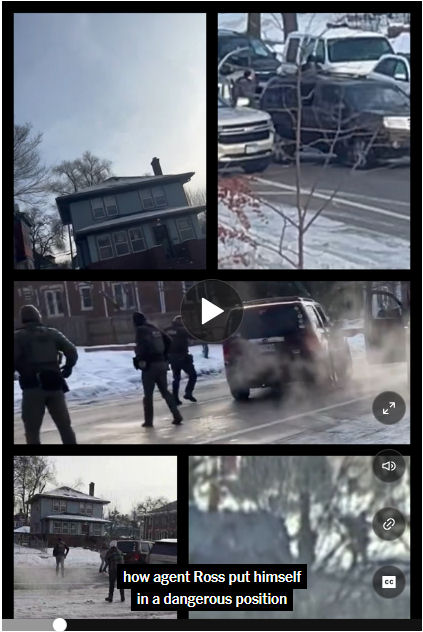
NY Times: Video Analysis of ICE Shooting Sheds Light on Contested Moments
Newly available videos and existing footage synchronized and assessed by The Times provide a frame-by-frame look at how an ICE officer ended up shooting and killing a motorist in Minneapolis.
(NY Times more…)Forbes: Was Minneapolis ICE Agent Hit By Renee Good’s Car Or Not? Videos Raise Fresh Doubts
…
Federal officials have given no details about Ross’s “internal bleeding,” though social media users have repeatedly pointed out “the most common type of visible internal bleeding is a bruise,” according to the Cleveland Clinic. Bruising, which results from damaged blood vessels leaking beneath the skin, can range from minor to serious depending on the extent of tissue injury.Other skeptics point out Ross’s quick release from the hospital as their reasoning for not believing the federal response.
Jennifer Rubin: Minnesota Undaunted
Ken Klippenstein: Leaked memo: “De-escalation is key”
Before Renee Good’s killing, immigration authorities sent agents a warning
Marisa Kabas: ICE protester in small Minn. city recounts agents’ violence and humiliation
Alice Valentine of St. Cloud was pepper sprayed and jailed by ICE for trying to protect immigrant neighbors.
Sarah Jones: Trump’s Moral Depravity Nearly Kills Infant in Minneapolis
Adrian Carrasquillo: Why Renee Good Was, and Is, So Dangerous to Trump
CBS: DOJ investigating Gov. Tim Walz, Minneapolis Mayor Jacob Frey over alleged conspiracy to impede immigration agents
…
Walz said in a statement: “Two days ago it was Elissa Slotkin. Last week it was Jerome Powell. Before that, Mark Kelly. Weaponizing the justice system and threatening political opponents is a dangerous, authoritarian tactic. The only person not being investigated for the shooting of Renee Good is the federal agent who shot her.”News Nation: DOJ issues subpoenas for Walz, Minneapolis mayor in criminal investigation
News Nation: Judge limits ICE tactics at Minnesota protests
…
Officers cannot use pepper spray “or similar nonlethal munitions” on protesters and are barred from “stopping or detaining drivers and passengers in vehicles where there is no reasonable articulable suspicion that they are forcibly obstructing or interfering with Covered Federal Agents.”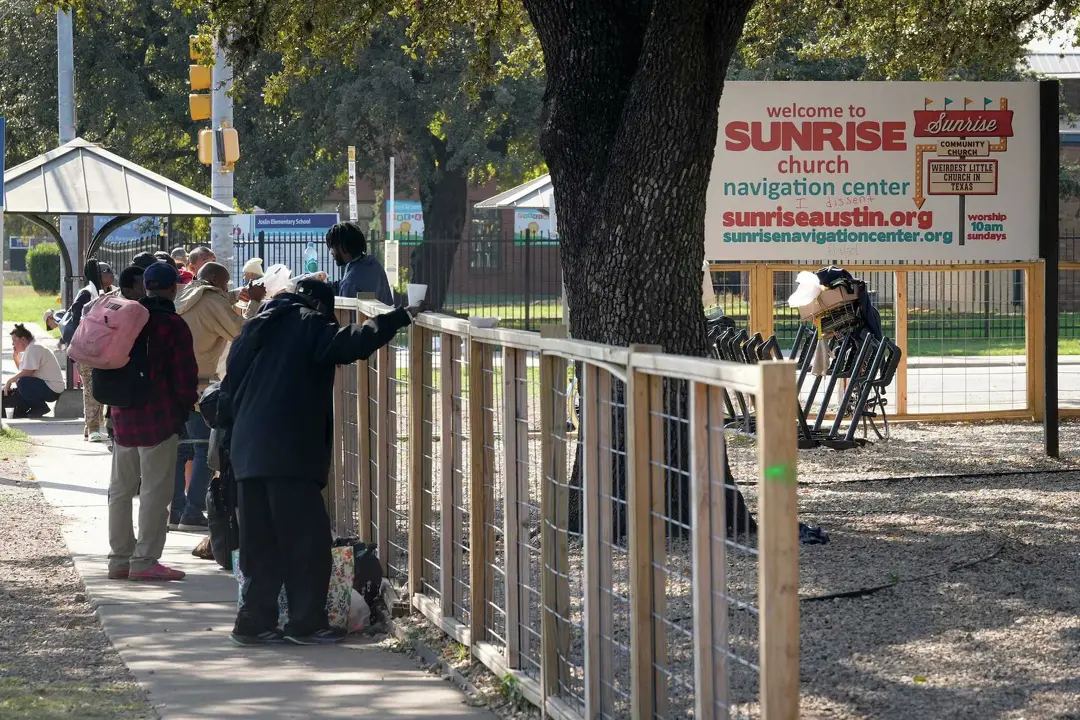
-
American-Statesman: Judge issues conditional halt on Sunrise Church
A district court judge ordered Sunrise Homeless Navigation Center to stop all outdoor homeless services — but only if the state ponies up resources to fill the void.
…Sunrise Navigation Center Executive Director Mark Hilbelink said the order is unenforceable unless the state complies and he doesn’t see that happening.
(American-Statesman more…)
-
John Pavlovitz: The Terrible Waste of Trump’s America
If asked by someone in the future to summarize in a single word, the scope and scale of the collective injury we’ve sustained as a people and a nation during that time, the word I keep coming back to is waste.
(John Pavlovitz more…)Thom Hartmann: What Happens When the Economy Fails Depends on Who You Are
For working families, recessions mean job loss and debt; for billionaires, they mean discounted assets and record wealth gains…
-
Democracy Docket: GOP spent $2.9 million to stop Missourians from voting on gerrymander
-
Marcy Wheeler: “Epstein Is Dead:” Pam Bondi Is Neglecting Live Sex Trafficking Prosecutions to Criminalize Democrats
(Marcy Wheeler more…)
-
Daily Beast: Kennedy Center Hit by New Cancellation After Going Full MAGA
The Martha Graham Dance Company has canceled its next planned appearance at the Kennedy Center.
-
Heather Cox Richardson: Letters from an American – January 16, 2026
Well, President Donald J. Trump finally has his Nobel Peace Prize. Yesterday, in a visit to the White House, Venezuela opposition leader María Corina Machado presented Trump with the Nobel Peace Prize medal the Norwegian Nobel Committee awarded to her in October 2025. Although the medal commemorating the prize can change hands, the committee and the Norwegian Nobel Institute have made it clear that “[o]nce a Nobel Prize is announced, it cannot be revoked, shared, or transferred to others.”
(Heather Cox Richardson more…)WSJ: Trump Accepts Machado’s Nobel Peace Prize During White House Visit
Venezuelan opposition leader aims to shore up president’s support but leaves meeting with little to show
Bulwark: Trump’s Nobel Peace Lies
María Corina Machado was given the choice between dictatorship and dishonor. In the end, she will get both.
Daily Beast: Trump, 79, Appears to Forget Name of Woman Who Just Gave Him Her Nobel Peace Prize

Margaret Chase Smith: Declaration of Conscience
NPR: January 6, 2021: A visual archive
Accountability Initiative ICE List
GriftMatrix
Trump Action Tracker
Timeline: Tracking the Trump Justice Department’s Anti-Voting Shift
Tracking the Lawsuits Against Trump’s Agenda
Trump Pardons Database
Project 2025 Tracker
DOGE Tracker
ProPublica: Elon Musk’s Demolition Crew
Wired: 6 Tools for Tracking the Trump Administration’s Attacks on Civil Liberties