curated news excerpts & citations
… trying to ‘unbury the lede’
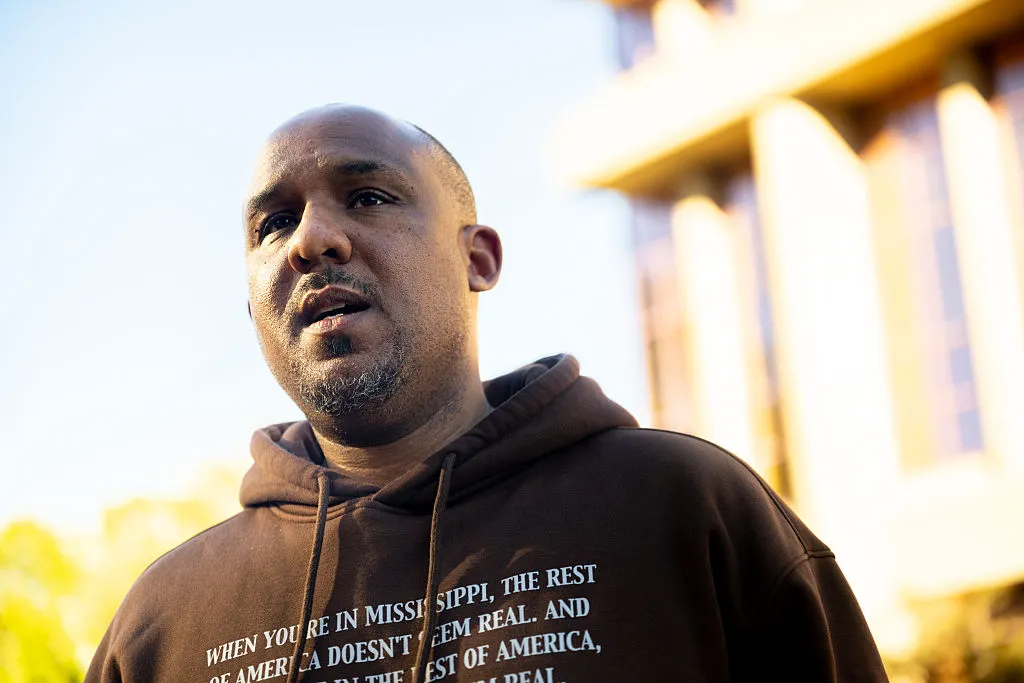
Radley Balko:
What Scott Colom’s win does — and does not — tell us about race in the Deep South
The most moving reaction to Scott Colom’s historic win in Mississippi came from the relatives of Andrew Goodman and James Chaney, the voting rights activists who, along with Michael Schwerner, were murdered by Klansmen in Neshoba County in the summer of 1964.
Angela Lewis, Chaney’s daughter, told Democracy Now!, “I just believe that people were not voting for a particular color, a particular party. I believe that people were voting for help.” Goodman’s brother, David, added, “We’re using the word ‘tsunami’ now. This is not a tsunami. A tsunami is a destruction for all. This is a spiritual change of heart, and it wasn’t easy and a long time coming.”
…
Scott Colom stared down the legacy of Mississippi’s past. His wins, both in 2015 and this month, are historic and consequential, clear signs of a district, and then a state, finally freeing itself from the glutinous webs long ago woven into its institutions.
But his Senate win was also followed by the president’s promotion of a white supremacist — and architect of an overtly racist, militaristic, and immoral immigration policy — to what is arguably the second most powerful position in government. It comes in the midst of an administration that advertises itself with unambiguous white supremacist imagery. It comes in the face of explicit attempts by one of the two major parties to gerrymander Black representation out of Congress. And it comes after — and was almost certainly motivated by the anger that followed — a Supreme Court ruling rolling back policies that gave Black people across the South at least some access to the levers of power.
Joyce Vance:
The Promissory Note: What Martin Luther King Jr., John Lewis, Viola Liuzzo, and an Alabama federal judge understood about an imperfect democracy.
Heather Cox Richardson:
Letters from an American – November 18, 2026
For three hot days, from July 1 to July 3, 1863, more than 150,000 soldiers from the armies of the United States of America and the Confederate States of America slashed at each other in the hills and through the fields around Gettysburg, Pennsylvania.
…
Local leaders called for the creation of a national cemetery in the town, where the bodies of the United States soldiers who had died in the battle could be interred with dignity.
…
… To deliver the keynote address, they asked prominent orator Edward Everett, who wanted to do such extensive research into the battle that they had to move the ceremony to November 19, a later date than they had first contemplated.
…
… Lincoln stood up to speak. Packed in the midst of a sea of frock coats, he began. In his high-pitched voice, speaking slowly, he delivered a two-minute speech that redefined the nation.
“Four score and seven years ago our fathers brought forth on this continent, a new nation, conceived in Liberty, and dedicated to the proposition that all men are created equal,” Lincoln began. While the southern enslavers who were making war on the United States had stood firm on the Constitution’s protection of property—including their enslaved Black neighbors—Lincoln dated the nation from the Declaration of Independence.
The men who wrote the Declaration considered the “truths” they listed to be “self-evident”: “that all men are created equal, that they are endowed by their Creator with certain unalienable Rights, that among these are Life, Liberty and the pursuit of Happiness.” But Lincoln had no such confidence. By his time, the idea that all men were created equal was a “proposition,” and Americans of his day were “engaged in a great civil war, testing whether that nation, or any nation so conceived and so dedicated, can long endure.”
Standing near where so many men had died four months before, Lincoln honored “those who here gave their lives that that nation might live.”
He noted that those “brave men, living and dead, who struggled here, have consecrated” the ground “far above our poor power to add or detract.”
“It is for us the living,” Lincoln said, “to be dedicated here to the unfinished work which they who fought here have thus far so nobly advanced.” He urged the men and women in the audience to “take increased devotion to that cause for which they gave the last full measure of devotion” and to vow that “these dead shall not have died in vain—that this nation, under God, shall have a new birth of freedom—and that government of the people, by the people, for the people, shall not perish from the earth.”
(Heather Cox Richardson more…)
-
Mitch Jackson:
Howard Lutnick is the Secretary of Commerce. His Family Firm Held $362 Million in Nvidia While He Sat on the Megaspeed WarningNvidia and its CEO, Jensen Huang, had the green light to sell $4 billion worth of advanced chips to Megaspeed, a Chinese front company based in Singapore, and I want you to understand exactly why the Trump administration let that sale go through.
It comes down to corruption.
Conflicts of interest run through this administration like a crack in a windshield, spreading a little further every week until nobody behind the wheel sees the road clearly. This story is one more crack, and it is a big one.
Right now you are watching two sitting cabinet members fight each other out in the open. That almost never happens, even in a Washington that stays politically charged around the clock. Scott Bessent is the Secretary of the Treasury. The job carries enormous clout on its own, and Bessent wields more of it than almost anyone who has held the post, even by Washington standards. Howard Lutnick is the Secretary of Commerce. Both men are billionaires.
(Mitch Jackson more…)
-
Home of the Brave:
The Pentagon is in crisis. Congress can fix it.
-
Katelyn Jetelina @ Your Local Epidemiologist:
The U.S. lost measles elimination after 26 years. Now what?Why it happened, who’s at risk, and what it’ll take to get it back
-
James Eagle:
Europe’s gas storage levels are entering winter at historic lows
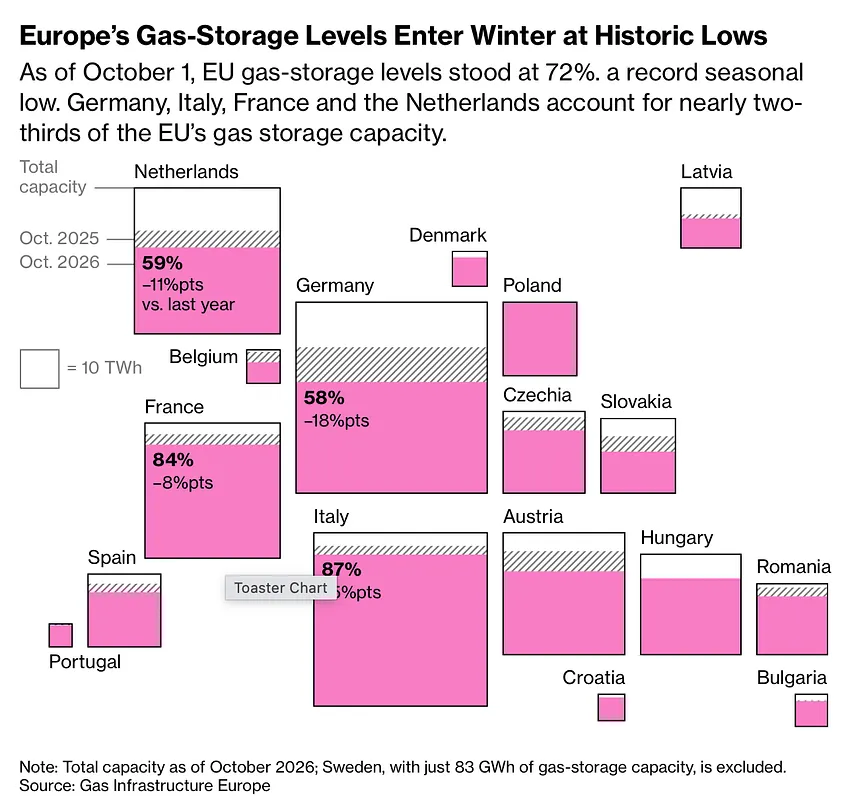
(James Eagle more…)
-
Chris Freeland @ Internet Archive:
How a Town’s Forgotten History Helped Protect Its Drinking WaterThe town’s development proposals have been made based upon erroneous classifications in the modern government mapping systems which were reproduced into the decision making process. The conservation designations had been lost in the shuffle over time. The residents who championed the preservation were no longer around to speak up, but they left a paper trail that spoke for them.
-
Thom Hartmann:
When a Government Lies About Everything, Even “Routine Maintenance” Sounds Like a Spy NovelI learned at 13, listening to Radio Moscow, what official lying does to the people who have to live with it. This week America is finding out…
( more…)Jason Koebler @ 404 Media:
Toward a theory of why everything is breakingNicole Sganga @ CBS:
[March 17, 2025] – Cybersecurity agency’s top recruits decimated by DOGE cutsSarah Jones:
Elon Musk Can’t Run from His Dark MAGA HistoryDean Blundell:
JD Vance Said There’s No AI/Hacking/Outage Crisis. Today He Cancelled Everything To Deal With The AI/Hacking/Outage Crisis
-
Albert Cory:
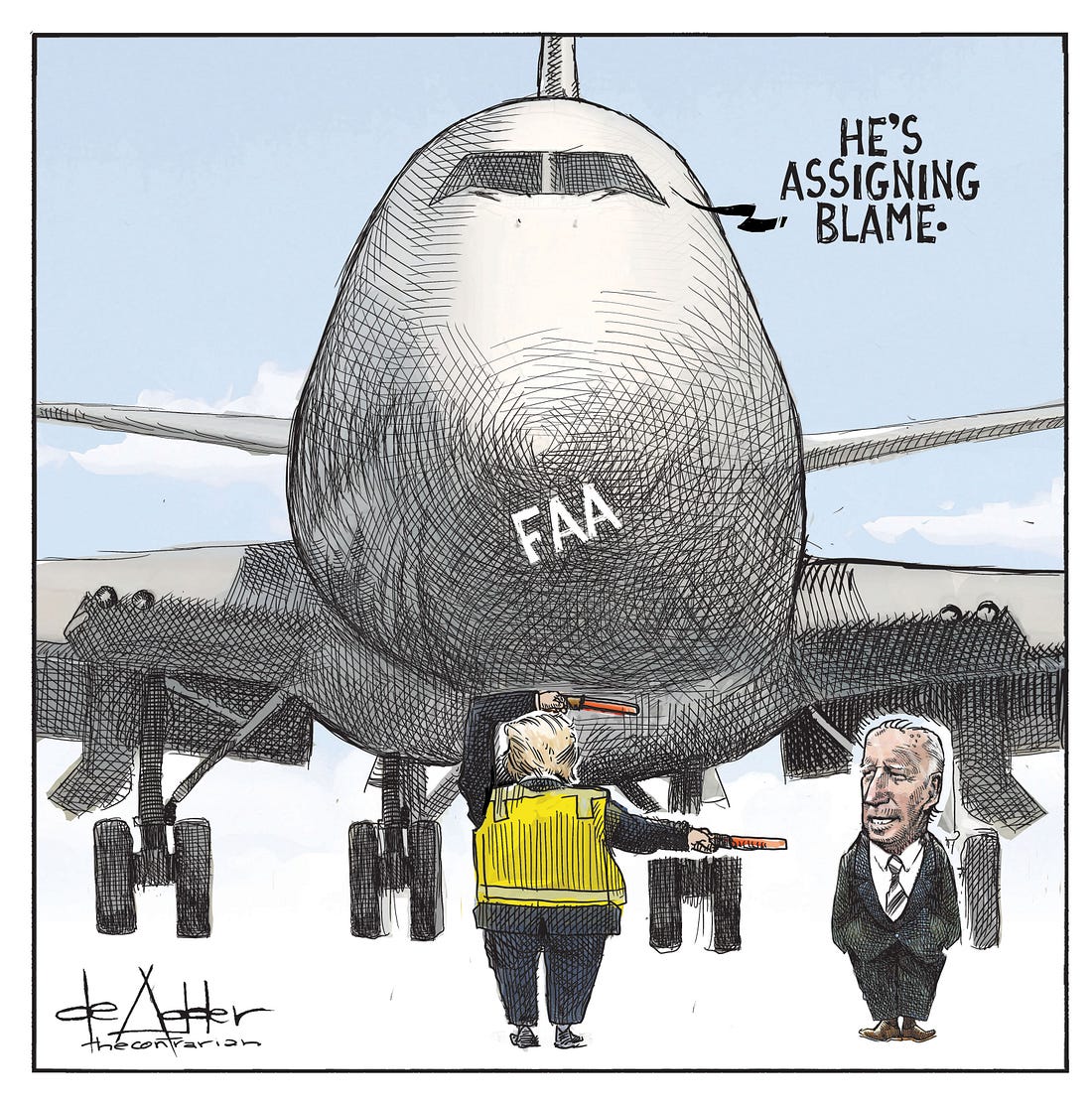
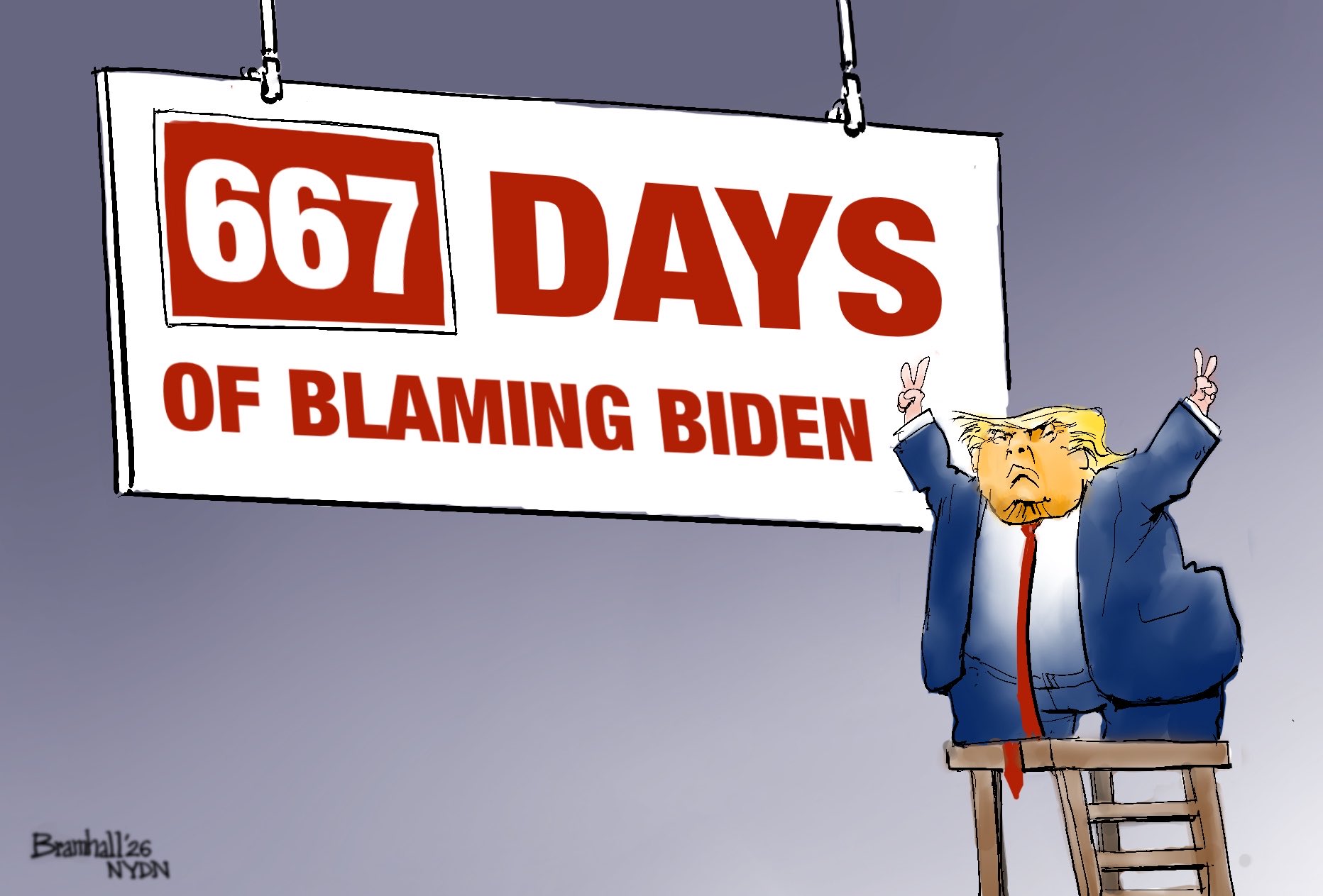
Avoiding the FAA DebacleTransportation Secretary Sean Duffy said that an FAA overhaul that would prevent another “ground stop” like we had on Thursday, Nov. 12 would cost $50 billion. The political classes and commentariat have piled on, debating whose fault it is, when they’re not ascribing it to the Iranians, or aliens. In fact it was just someone not doing their job on a Friday afternoon. I’ll show why this is the cause, and not “The FAA’s legacy equipment.”
So: fifty billion? How about nothing?
(Albert Cory more…)
-
Brian Merchant:
How AI is breaking the internet (and everything else)

The January 6Memory Project
ICE Detention Expansion Tracker
A field guide to claims
Last Days in Two Nations
Climate.us
formerly Climate.gov
Climate Solutions Explorer
Have I Been Flocked?
Cleanview Data Center Traker
Brockovich AI Data Center Reporting
resources tracking the “Andes” hantavirus outbreak
Apocalypse Early Warning System
Al Jazeera Death toll and injuries live tracker
Mourning Those Who Have Died in ICE Custody
Mike Ludwig @ truthout: ICE Says 51 People Died in Custody Under Trump. Experts Say That’s an Undercount.
ICE Accountability Project
Sergio Martínez-Beltrán, Ximena Bustillo, Jasmine Garsd @ NPR: Deaths of migrants in ICE custody hit record high under Trump
- October 17: Emiliano Andrade-Covarrubias
- September 18: Carlos Josue Marchena Marchena
- August 31: Pierre Damas Bel
- August 1: Edwin Lopez-Cornejo
- July 19: Jose Chajon-Raxon
- July 14: Juan Jairo Coronilla Duran
- July 13: Joan Sebastian Guerrero
- July 7: Lorenzo Salgado Araujo
- June 4: Mamuka Artmeladze
- April 16: Aled Damien Carbonell-Betancourt
- March 25: Jose Guadalupe Ramos-Solano
- March 16: Royer Perez-Jimenez
- March 14: Naseer Paktiawil
- February 25: Nurul Amin Shah Alam
April 1 – Jennifer Peltz and Jake Offenhartz @ AP: Death of a refugee left at a Buffalo doughnut shop by Border Patrol is ruled a homicide - January 24: Alex Pretti
- January 14: Heber Sanchaz Dominguez
- January 14: Victor Manuel Diaz
- January 9: Parady La
- January 7: Renée Good
- January 6: Luis Beltran Yanez-Cruz
- January 5: Luis Gustavo Nunez Caceres
- January 3: Geraldo Lunas Campos
- December 31, 2025: Keith Porter
Suffering Under President Obama
NACDL Criminal Case Tracker
Texas Tribune: A Walk for Peace: photos of Fort Worth monks’ journey to Washington
Walk for Peace – Dhammacetiya – The Ancient Sacred Buddhist Scripture Stupas
Margaret Chase Smith: Declaration of Conscience
NPR: January 6, 2021: A visual archive
Accountability Initiative ICE List
GriftMatrix
Trump Action Tracker
Timeline: Tracking the Trump Justice Department’s Anti-Voting Shift
Tracking the Lawsuits Against Trump’s Agenda
Trump Pardons Database
Project 2025 Tracker
DOGE Tracker
ProPublica: Elon Musk’s Demolition Crew
Wired: 6 Tools for Tracking the Trump Administration’s Attacks on Civil Liberties

Leave a Reply